Leaf Shredder Wood Chipper: How to Turn Yard Waste into Mulch Fast
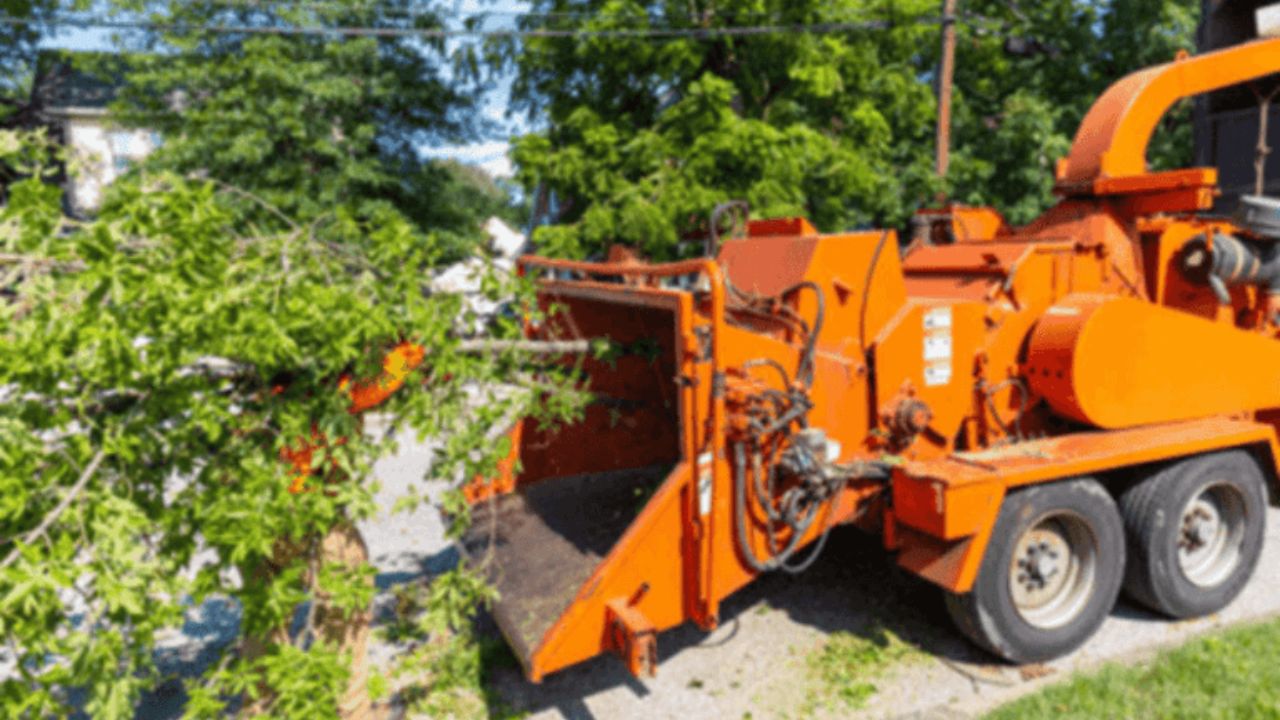
Yard waste will pile up rapidly, especially around seasonal changes. Even small pieces of branches and leaves, and possibly cuttings from plants, will quickly amass before you have enough time to manually cut them off. Even what appears to be mundane debris can take hours to deal with without the proper equipment. A leaf shredder wood chipper does just the opposite. It decomposes waste into smaller mulches for use rather than discarding it. Often, the machinery provided by JYF Machinery is used for this purpose, making the process of converting waste into usable material faster.
What a Leaf Shredder Wood Chipper Does
This machine is used to chop and crush organic yard waste into smaller pieces. The leaves and soft branches are loaded at one end, and finely chopped material is loaded at the other end. The principle is that it is reduced in size, allowing it to break down more quickly or be used directly in the garden. This will save time and the amount of waste to be cleared.
Preparing Yard Waste Before Shredding
You can’t have a good result without basic preparation. Brittle dry leaves and sticky, lumpy wet ones can occur. A balanced condition is ideal for smooth processing. Before feeding material into the machine, remove any small sticks and stones. This reduces pressure on the cutting system and keeps it operating stably.
Setting Up the Machine Correctly
Where you place your seeds is more important than you might think. The machine must be placed on a flat surface so that it doesn’t move during operation. Other important setup procedures involve verifying the direction of feed and keeping the discharge area free. Machines supplied by JYF Machinery may have simple layouts, but positional stability is always of great importance to performance.
Feeding Material at a Steady Pace
One of the most common mistakes is rushing the feeding process. Overloading the machine can slow down output and cause blockages. A steady, controlled feed allows the cutting system to work smoothly. This helps produce consistent mulch instead of uneven or partially processed material.
How Leaves Turn into Mulch Quickly
Sharp blades chop leaves and branches into small pieces in the machine. Each pass breaks the material down further until it reaches mulch size. The rate of this process varies with the kind of waste. Thicker branches will take longer to fully process than dry leaves.
Using the Right Type of Waste Mix
Mixing different types of yard waste can improve results. Leaves alone may clump, while small branches help separate material during shredding. This balance allows air to flow through the machine more easily. It also improves the texture of the final mulch output.
Collecting and Storing Mulch
After shredding, the material can be retrieved immediately. Can be stored in bags, containers, or applied directly to garden areas. When using fresh mulch, it is easier to apply and mixes better with the soil. Should be stored dry to avoid early decomposition.
Applying Mulch in the Garden
Mulch is usually applied to plant life, trees, or garden plots. It forms a protective ground cover that minimizes soil moisture loss, suppresses weeds, and, over time, decomposes to enrich the soil with organic matter.
Safety During Operation
Even simple machines require careful handling. Looseness of clothing, long hair, and surrounding objects need to be kept away from operating machinery. A stable working position is important. Equipment from JYF Machinery is designed for field use, but safe operation still depends on user attention.
Cleaning After Use
The remaining material must be removed from the shredding machine after shredding. This will avoid build-up and subsequent impact on future performance. Regular cleaning also helps keep blades clean. It prevents damage to the components through debris trapped in machinery, thereby improving operational consistency.
Common Mistakes to Avoid
Overloading the machine is one issue. Another is feeding material too quickly without letting the system clear properly. Failure to do the preparation steps can also result in a lower output. Handling corrections can make a world of difference for results.
Keeping Output Consistent
Consistency comes from steady operation. When feeding, setup, and material type are balanced, the machine produces uniform mulch. In field operations where JYF Machinery equipment is used, consistent output is often the result of controlled use rather than of machine speed alone.
Conclusion
A mulching wood chipper is an easy and effective way to make mulch from yard waste. Properly prepared, fed, and handled, wastes turn to resources, not clutter. When used correctly, the process saves time and reduces disposal effort. It also supports healthier soil by turning routine yard cleanup into a source of natural ground cover.