ADAS Tools in Automotive Repair: Matching the Right Users to the Right Tasks
Modern vehicles are equipped with driver-assistance tools that use sensors installed throughout the vehicle. These sensors need to be recalibrated after their repair, replacement, or interference with body repair services. That is where the need for adas arises. It does not follow that each workshop or technician calibrates the sensors in the same way. The burning question is who gets to do what and what happens in a repair environment where precision beats quickness. Proper calibration procedures also help reduce incorrect sensor readings, warning light issues, and system response errors during daily vehicle operation.
Collision Repair Technicians
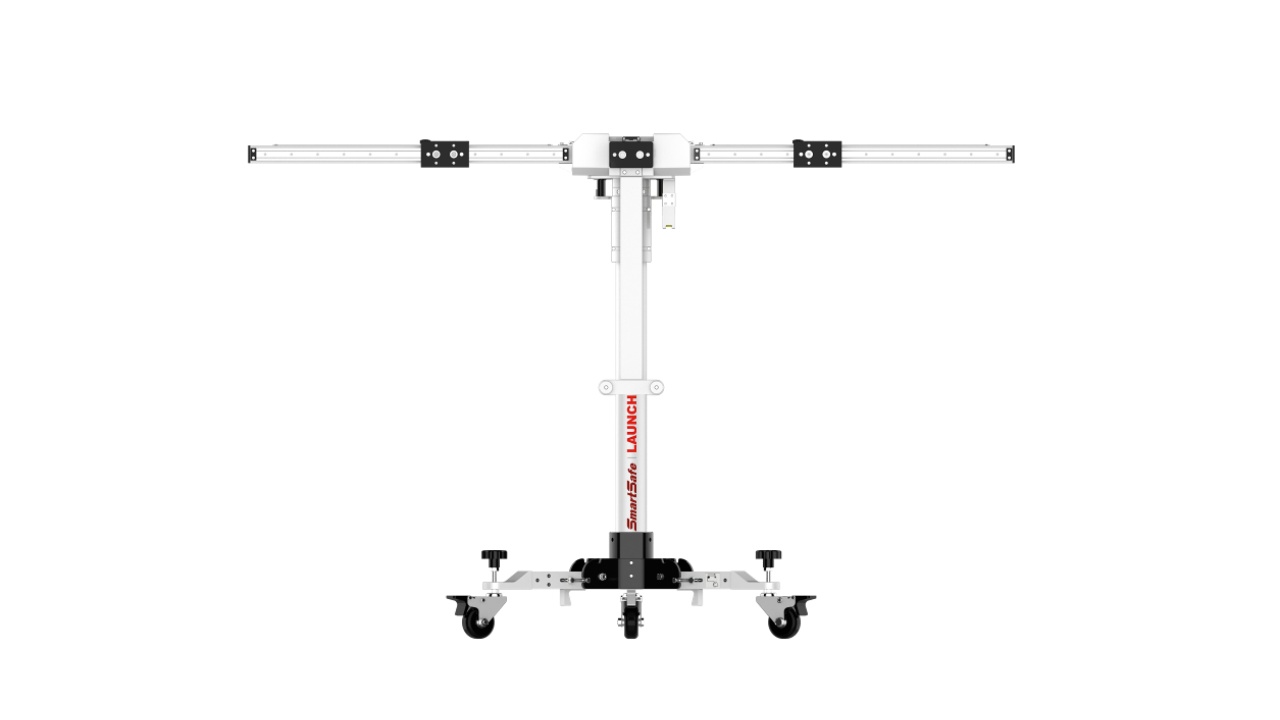
Body repair teams often deal with cars that have been in accidents. After bumper replacement or frame adjustment, radar sensors lose alignment. In such cases, a system like LAUNCH X-431 ADAS RADAR is used to restore radar positioning before the vehicle leaves the shop. These technicians focus on physical alignment tasks, placing targets, and preparing the vehicle for calibration.
Diagnostic Technicians
Diagnostic specialists handle fault codes and system checks. When warning lights appear on adaptive cruise or blind-spot systems, they indicate whether the issue is electrical or alignment-related. ADAS tools help them confirm sensor communication before deeper repairs begin. In a workshop connected to a supplier like Lenkor, these technicians also rely on structured support and access to parts to maintain consistent testing conditions.
Calibration Specialists
Some workshops assign ADAS calibration to dedicated staff. Their work centers on the precise positioning of targets and the execution of calibration steps using guided software. With systems such as the LAUNCH X-431 ADAS RADAR 3IN1, users follow step-by-step instructions on a connected scan tool to adjust laser alignment and check radar response. Lenkor supports these users by ensuring tools are available across its overseas warehouse network, thereby reducing downtime between jobs.
Mobile Technicians
Mobile repair units handle on-site services, often in fleet yards or customer locations. Their main limitation is space, so they prefer compact and modular setups. A system like the 3-in-1 radar calibration kit is used in parts rather than full workshop installations. Lenkor provides distribution support across regions, helping mobile technicians access the required equipment without long shipping delays.
Workshop Owners
Workshop owners are less involved in technical steps but decide what equipment is used. Their focus is job coverage and workflow balance. They choose ADAS tools based on the type of vehicles entering the shop. A setup that supports multiple calibration types, including ACC and BSD, via interchangeable modules reduces the need for multiple systems and improves workshop planning. In larger repair environments, organized calibration workflows also help reduce delays between repair stages and improve coordination among diagnostic teams, body repair technicians, and final inspection staff responsible for vehicle delivery preparation.
ADAS System Calibration Tasks
Calibration work is not a single action. It includes several tasks such as sensor positioning, target setup, and system confirmation. Each step must be completed in sequence using guided software. For example, the LAUNCH system provides visual instructions on a tablet interface, helping technicians confirm alignment before the vehicle system accepts the final calibration.
Sensor Replacement Cases
After replacing radar sensors or bumpers, recalibration becomes mandatory. Even small changes in mounting position affect system readings. Technicians use calibration frames, reflectors, and measurement tools to reset correct angles. This process ensures systems like adaptive cruise control function as intended after repair work is completed.
Post-Accident Realignment
Vehicles involved in collisions often have misaligned radar systems even if external damage appears minor. In these cases, ADAS tools are used to reset system references. The work usually combines body repair, diagnostic checking, and calibration in sequence. Without recalibration, driver assistance systems may respond incorrectly in real traffic conditions.
Fleet Maintenance Teams
Fleet operators maintain large groups of vehicles where consistent safety systems are required. ADAS calibration tools are used during scheduled maintenance cycles. Teams work through multiple vehicles in a structured process to ensure radar and blind-spot systems remain aligned across the fleet. This reduces variation between vehicles used in daily operations.
Workshop Integration with Support Systems
The effectiveness of ADAS tools depends not only on equipment but also on access to parts, updates, and technical support. Lenkor plays a role here by operating overseas warehouses and providing after-sales support channels. This setup allows workshops to continue calibration work without long interruptions caused by missing components or delayed deliveries.
Conclusion
ADAS tools are not used by a single type of technician. This shifts from their role in vehicle repairs to diagnosis and calibration, among others. Different teams handle different phases, but they all rely on proper alignment. The use of systems such as LAUNCH X-431 ADAS RADAR illustrates a modular approach to calibration, while networks such as Lenkor aid in its implementation.