Buying Wholesale Stainless Steel Tumblers: Getting Size, Lid, and Decoration Right
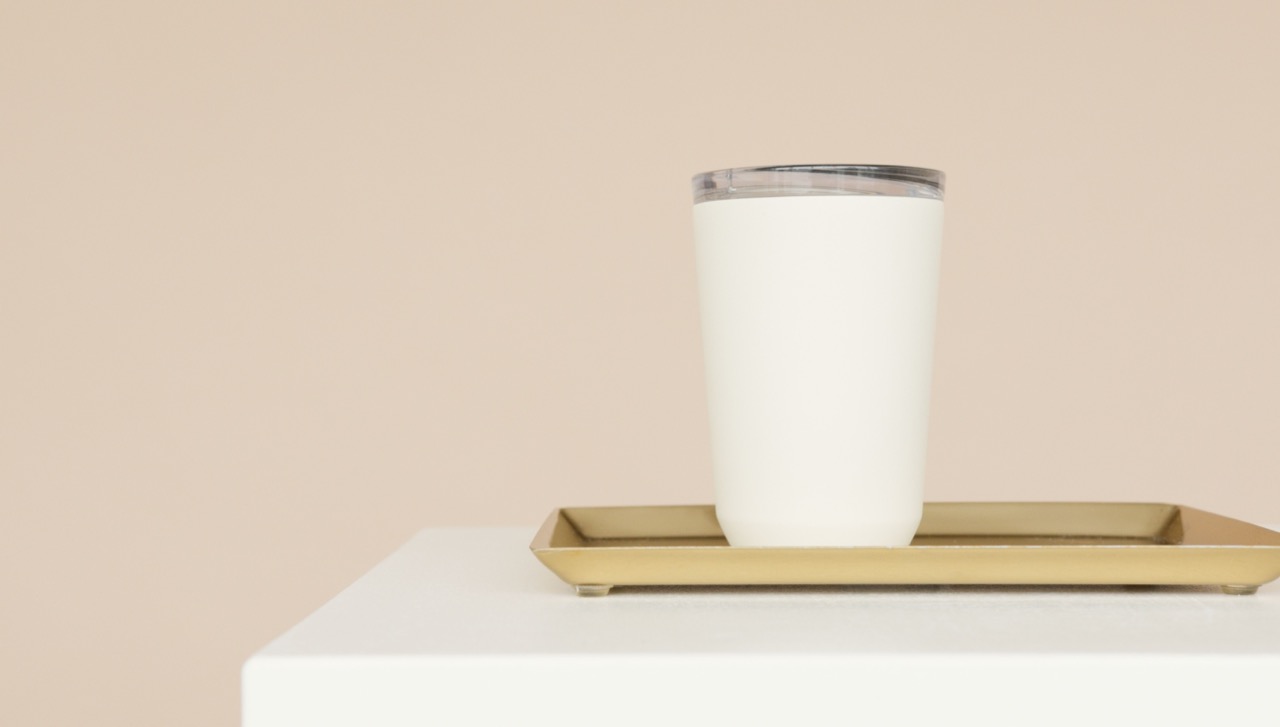
Tumblers went from a quiet drinkware category to the thing every brand, gift company, and Etsy maker suddenly wanted a container of. I’ve bought them for promo runs and for resale, and the mistakes are always the same three: the wrong size, a lid that leaks in someone’s bag, and ordering finished tumblers when the customer actually wanted blanks. None of those are material-quality problems — the steel is usually fine. They’re product-decision problems, and they’re easy to avoid once you know which questions to ask before you place a bulk order.
Tumbler or water bottle? Pick the product first
It sounds obvious, but half of getting this right is choosing the correct product. A tumbler is a wide, short, insulated cup with a big opening and a straw or slider lid — built for ice, for sipping at a desk or in a car, and for putting a large logo on a broad flat surface. A water bottle is narrow and tall with a screw cap, built for leak-proof, on-the-go, sporty carry.
So the first question isn’t “which tumbler,” it’s “is a tumbler even the right product?” If your buyers want something they can toss in a gym bag sideways, that’s a bottle. If they want ice water on a desk, a coffee in the car, and their logo seen across a room, that’s a tumbler. Match the product to the use before you argue about size.
Sizes and the cup-holder question
Tumblers run from about 12oz up to 40oz. In practice the volume sellers are 20oz (the everyday desk size) and 30oz (the big car drink); 12oz covers kids, and the 40oz-with-handle is the size the recent boom made famous. A full-line factory will offer roughly 8oz to 40oz.
Here’s the spec people forget: cup-holder fit. A 20oz or 30oz tumbler is supposed to have a tapered base that drops into a standard car cup holder, and for a lot of buyers that’s the whole point. When I place an order for wholesale stainless steel tumblers I confirm the base diameter against actual cup-holder dimensions rather than trusting that “30oz” automatically fits — because I’ve been burned by a batch that didn’t. If your channel is drivers or commuters, that measurement matters more than the ounce count on the label.
Lids: where tumblers leak (and where they don’t)
Lids are where tumblers differ most from bottles, and where returns come from. The common types are straw, flip, slider (press-to-open), magnetic slider, and the handle-style lids on the big sizes. The important truth to pass on to your customers: most tumbler lids — sliders and straws especially — are splash-resistant, not fully leak-proof. Tip one over in a bag and you’ll likely get a wet bag.
That’s not a defect, it’s the design, but only if you set the expectation. I always confirm the gasket and seal quality with the factory, and I make sure the product listing says “splash-resistant” rather than implying a screw-cap seal. The alternative is a wave of “it leaked” reviews for a product that was never meant to be leak-proof in the first place.
Decorated tumblers vs sublimation blanks
This is the fork that trips up first-time tumbler buyers, because there are really two products and two kinds of buyer. Finished decorated tumblers come powder-coated in your color with your logo already applied by laser engraving, UV print, or silk-screen — ready to sell or hand out. Sublimation blanks are coated tumblers sold undecorated, so a maker can heat-press their own designs onto them — the engine behind the whole US personalization and Etsy market.
If you’re a brand or promo company that wants ready-to-ship branded cups, you want decorated tumblers. If you (or your customers) print your own designs, you want blanks. Ordering the wrong one is an expensive round trip — decorated units are useless to a sublimation shop, and blanks are extra work for a brand that just wanted its logo on. Know which buyer you are before you ask for a quote.
Material and insulation, briefly
The material story is the same as any stainless drinkware: 304 (18/8) food-grade for most orders, 316 when you want premium chloride resistance, and a double-wall vacuum doing the insulating. A good tumbler holds cold roughly 24 hours; hot retention is shorter — often in the 4–6 hour range — precisely because a slider or straw lid isn’t airtight the way a sealed bottle cap is. If long hot retention is the priority, that’s a point in favor of a flip or fully sealing lid, or a bottle. (The full 304-vs-316 and certification detail is a topic of its own; the short version is to verify the grade and match certs to your market.)
Sourcing without surprises
Everything else is standard drinkware sourcing discipline, with a couple of tumbler-specific flags. MOQ and lead time scale with decoration — a logo on a stock body is a smaller commitment than a custom powder-coat color, which is smaller than a new mold. Order a pre-production sample and actually test it: fill it, tip it, run the lid, and — because tumblers get handled constantly and thrown in dishwashers — check the powder-coat adhesion. Confirm the food-contact certification your market needs, and inspect the batch before it ships.
Real sourcing scenarios
The cup-holder miss is the one that still bugs me: a 30oz order that looked great and wouldn’t sit in a car cup holder because the base was a few millimeters too wide, which for a commuter-targeted promo was the entire value gone. Then there was the slider-lid launch that drew a run of “leaked in my bag” complaints — the lids were performing exactly as designed, but nobody had told the customers “splash-resistant, not leak-proof,” and the reviews took the hit. And a maker customer once ordered decorated tumblers from a supplier when what her business actually needed was blanks to sublimate — a full re-order, because the two products aren’t interchangeable. Each was a product-decision slip, not a quality failure.
FAQ
What is the difference between a tumbler and a water bottle? A tumbler is a wide, short insulated cup with a large opening and a straw or slider lid, made for ice drinks and desk or car sipping, with a broad surface for branding. A water bottle is narrow and tall with a leak-proof screw cap, made for on-the-go and sport use.
What tumbler size fits a car cup holder? Typically 20oz and 30oz tumblers are designed with a tapered base to fit standard car cup holders. Don’t assume by ounce count, though — confirm the actual base diameter against cup-holder dimensions, because bodies vary between factories and a too-wide base won’t fit.
Are stainless steel tumbler lids leak-proof? Usually not fully. Most tumbler lids — sliders and straws especially — are splash-resistant rather than leak-proof, so they can spill if tipped in a bag. Confirm the gasket quality with the manufacturer and describe them accurately to customers to avoid “it leaked” returns.
Should I buy decorated tumblers or sublimation blanks? Buy decorated tumblers if you want ready-to-sell cups with your logo already applied by powder coat and laser or UV print. Buy sublimation blanks if you or your customers heat-press your own designs. They’re different products for different buyers, and they aren’t interchangeable.
What sizes do wholesale tumblers come in? Common sizes run from about 8oz to 40oz, with 20oz and 30oz the everyday volume sellers, 12oz for kids, and 40oz (often with a handle) as the large, trend-driven option. Choose a size mix that matches your channel — desk, car, premium, or kids.
How long do stainless steel tumblers keep drinks cold? A good double-wall vacuum tumbler keeps drinks cold for roughly 24 hours. Hot retention is shorter, often around 4–6 hours, because straw and slider lids aren’t airtight like a sealed bottle cap. A flip or fully sealing lid improves hot performance.
Bottom line
Buy wholesale stainless steel tumblers in order: choose the product (tumbler vs bottle), pick sizes that fit your channel and confirm cup-holder fit, select lids and set leak expectations honestly, decide between decorated units and sublimation blanks, then apply normal material, cert, and QA checks. Get those product decisions right up front and the order that arrives is the one your customers actually wanted.